
…Assessing the contenders and the case for competence, unity, and results in a defining political moment
By Barbara Njemanze
The brightness of the day and the influence of tomorrow raise an enduring question for Imo State: who will preserve its gains and lift it to greater heights? As the political drums grow louder ahead of 2027, several prominent names continue to surface, each representing different strengths, experiences, and possibilities for the state’s future. The contest is shaping up to be one of strategy, structure, and public trust.
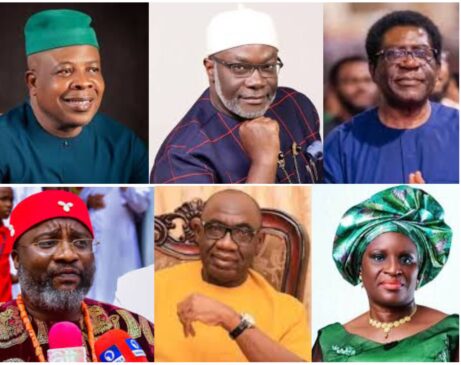
Among those frequently mentioned is the Deputy Governor, H.E. Chinyere Ekomaru, whose position within the current administration of Hope Uzodinma places her close to the center of power. She represents continuity and institutional knowledge, with the advantage of understanding ongoing policies and governance priorities. However, like many deputies seeking higher office, her ultimate test will be demonstrating an independent political identity and broad grassroots appeal.
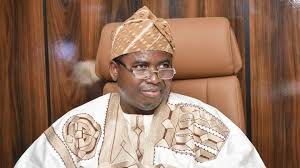
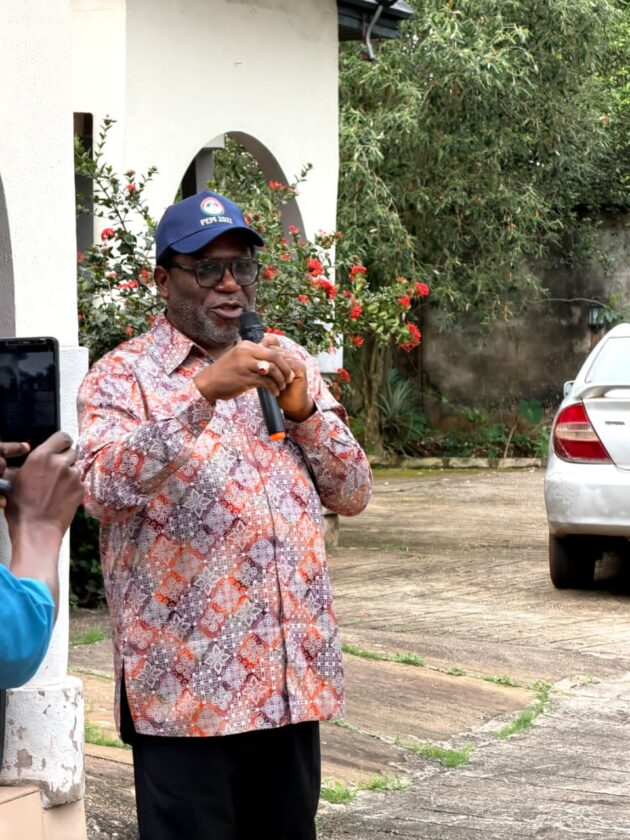
Sir Jude Ejiogu brings a different profile to the race, one grounded in administrative experience and technocratic competence. Over the years, he has built a reputation as a calm and methodical operator, with a focus on governance processes and policy execution. In a political environment often marked by strong personalities and shifting alliances, his style reflects stability and measured leadership. What sets him apart is not loud political rhetoric, but consistent emphasis on results, systems, and sustainable governance. At a time when many voters are increasingly concerned with effective service delivery rather than political drama, his approach speaks to a deeper need for stability and progress. Sir Jude represents a model of leadership that prioritizes execution over promises and coordination over confrontation. In many respects, he emerges as a candidate whose strength lies in his readiness to govern from day one.
Senator Ezenwa Onyewuchi stands as a significant contender, particularly within the Owerri zone, where zoning considerations may play a decisive role. With legislative experience and an established connection to constituents, he brings both visibility and political adaptability. His ability to build alliances across party lines could strengthen his position, though statewide consolidation will be key to his success.
Rt. Hon. Emeka Ihedioha remains one of the most recognizable figures in the field. His previous tenure as governor and long-standing political structure provide him with a strong foundation. Known for his organizational strength and experience, he continues to command attention in the race. At the same time, evolving voter expectations and shifting political alignments mean that reconnecting with a broader and younger electorate will be essential.
Prince Eze Madumere also brings executive experience to the table. Once a central figure in the state’s political landscape, his candidacy reflects continuity of experience, though rebuilding momentum and broad-based support remains an important task in a competitive field.
MacDonald Ebere, PhD, represents the strength of party organization and internal political structure. As a key figure within the ruling party, his influence is notable in shaping political direction at the grassroots and party levels. Translating that internal strength into widespread electoral appeal, however, will be a defining factor.
Meanwhile, Mazi Mathew Chima Amadi symbolizes a newer wave of political participation. As an emerging figure, he appeals to voters seeking fresh perspectives and alternative leadership approaches. His candidacy reflects the growing desire for innovation in governance, though like many new entrants, he faces the challenge of building a strong political structure and statewide recognition.
As the race develops, the central question remains not just who is most visible, but who can effectively unite the diverse interests of Orlu, Owerri, and Okigwe zones, while delivering tangible progress. Each of these candidates brings a unique mix of experience, vision, and political capital. Ultimately, the decision will rest on a combination of structure, public confidence, and the ability to translate ambition into measurable governance outcomes.
In this context, the argument for steady, competence-driven leadership becomes increasingly compelling. Beyond the noise of politics and the intensity of campaigns, the future of Imo State may well depend on a leader who understands governance not just as power, but as responsibility, one who can quietly build, effectively manage, and sustainably deliver.
Imo State stands at a pivotal moment. The path forward will be shaped not only by political strategy but by the collective judgment of its people. The drums are beating, the choices are many, but in the end, leadership will be defined not by who speaks the loudest, but by who can deliver the most.