

BY RICHARD ODU
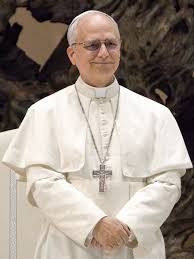
I share so much in the concern of the Catholic hierarchy over artificial intelligence (AI) and its consequences. This concern is once again echoed by Pope Leo XIV in his message at this year’s World Communications Day, Sunday, May 17.
It was the 60th in the series of the annual event which is championed by the Catholic Church. There, the Clergy and the Laity gather to reflect on communication trends as well as to celebrate professionals in the business of communication. They discuss at length the developments in communication and their impact on evangelism and man’s sociocultural existence.
The Day stresses the importance of communication, especially mass communication, in the onerous task of evangelising a world easily drawn to evil and the pleasures of the flesh rather than the spirit.
This year, the Pope chose the theme “Preserving Human Voices and Faces”, which highlights the growing influence of AI on communication and the urgent need to safeguard authentic human presence. Only two years ago, the Papacy had also dwelled on “Artificial Intelligence and the Wisdom of the Heart: Towards a Fully Human Communication.”
This decision to focus on a theme related to Artificial Intelligence (AI), yet again this year underscores a deep global concern over the future of a world where technology, daily, rewrites the natural modes of human communication.
Although AI has far-reaching virtues for mankind, its menace, pertaining to falsehood and peddling of fake news and information, has become a source of worry. Even where the AI-generated piece of message contains solid facts, they lack the human touch. Sometimes, they fail to resonate with the senses.
The worry over the direction AI is taking the world to is not the exclusive worry of the pontiff. It is the worry of the entire mankind that needs to save itself from itself.
In its communiqué that expounded the essence of the Pope’s message, the Vatican Dicastery for Communication warned that while AI offers new possibilities for speed and accessibility, it also presents serious risks, including “disinformation through simulated voices and faces, privacy violations, and the erosion of critical thinking.”
Speaking at the Regina Caeli prayer, the Pope had encouraged everyone to promote forms of communication that always respect the truth of the human person.
He had lamented that new digital technologies of AI threaten our uniqueness by simulating voices, faces, and emotions and “encroach upon the deepest level of communication, that of human relationships.”
The Pontiff stated that the new developments rob us of the opportunity to encounter others who are always different from ourselves and with whom we can and must learn to relate. He added that without embracing others, there can be no relationships or friendships.
Apparently displeased at the continued dehumanization of communication, the Pope stated: “We need faces and voices to speak for people again.”
It is indeed frightening how AI distorts events, introducing falsehood into realities and confusing hapless consumers of such pieces of information. If unchecked, the world would be creating its highway to self-destruction.
However, the Pope believes that the challenge is not technological but anthropological. He, therefore, instructs mankind not to renounce the ability to think analytically and creatively. He wants a moderation of the naïve reliance on AI as an omniscient “friend,” a source of all knowledge, an archive of every memory, an “oracle” of all advice.
He observes the control of AI over the production of texts, music and videos, a development that puts the human creative industry at risk of turning people into passive consumers of “unthought thoughts”.
Renouncing creativity and surrendering our mental capacities to machines, according to him, would mean burying our talents, as well as hiding our faces and silencing our voices.
The Pope observed that public trust is earned by accuracy and transparency, urging that content generated or manipulated by AI should be clearly marked and distinguished from content created by humans.
At the mass to celebrate the Day in Ahiara Diocese, Bishop Simeon Nwobi recognised the burden on the media men in the pursuit of their duties. He, nevertheless, encouraged them to always communicate the truth and avoid faceless communication that goes without responsibility.
We might, at this juncture, be informed that some faceless AI contents become useful when they are used to drive hidden truths home to powerful men in government and the society, especially when these men are capable of harming the bearer of the message with human face.
The Church, worldwide, has an enormous task of taming this tech in its hands. In dealing with the task, the Church must return to its main purpose of a vigorous conscience building mission, because it is only the conscience that can sufficiently pull the human being away from misusing the wonderful gift of AI.
On a Candid Note, AI is what it is – artificial, fake, false, non-natural. It goes against the other AI – Adamic Intelligence – as the late Pope Francis had termed it. Only when it is applied with conscience and caution can it then be said to be of God.
It was the 60th in the series of the annual event which is championed by the Catholic Church. There, the Clergy and the Laity gather to reflect on communication trends as well as to celebrate professionals in the business of communication. They discuss at length the developments in communication and their impact on evangelism and man’s sociocultural existence.
The Day stresses the importance of communication, especially mass communication, in the onerous task of evangelising a world easily drawn to evil and the pleasures of the flesh rather than the spirit.
This year, the Pope chose the theme “Preserving Human Voices and Faces”, which highlights the growing influence of AI on communication and the urgent need to safeguard authentic human presence. Only two years ago, the Papacy had also dwelled on “Artificial Intelligence and the Wisdom of the Heart: Towards a Fully Human Communication.”
This decision to focus on a theme related to Artificial Intelligence (AI), yet again this year underscores a deep global concern over the future of a world where technology, daily, rewrites the natural modes of human communication.
Although AI has far-reaching virtues for mankind, its menace, pertaining to falsehood and peddling of fake news and information, has become a source of worry. Even where the AI-generated piece of message contains solid facts, they lack the human touch. Sometimes, they fail to resonate with the senses.
The worry over the direction AI is taking the world to is not the exclusive worry of the pontiff. It is the worry of the entire mankind that needs to save itself from itself.
In its communiqué that expounded the essence of the Pope’s message, the Vatican Dicastery for Communication warned that while AI offers new possibilities for speed and accessibility, it also presents serious risks, including “disinformation through simulated voices and faces, privacy violations, and the erosion of critical thinking.”
Speaking at the Regina Caeli prayer, the Pope had encouraged everyone to promote forms of communication that always respect the truth of the human person.
He had lamented that new digital technologies of AI threaten our uniqueness by simulating voices, faces, and emotions and “encroach upon the deepest level of communication, that of human relationships.”
The Pontiff stated that the new developments rob us of the opportunity to encounter others who are always different from ourselves and with whom we can and must learn to relate. He added that without embracing others, there can be no relationships or friendships.
Apparently displeased at the continued dehumanization of communication, the Pope stated: “We need faces and voices to speak for people again.”
It is indeed frightening how AI distorts events, introducing falsehood into realities and confusing hapless consumers of such pieces of information. If unchecked, the world would be creating its highway to self-destruction.
However, the Pope believes that the challenge is not technological but anthropological. He, therefore, instructs mankind not to renounce the ability to think analytically and creatively. He wants a moderation of the naïve reliance on AI as an omniscient “friend,” a source of all knowledge, an archive of every memory, an “oracle” of all advice.
He observes the control of AI over the production of texts, music and videos, a development that puts the human creative industry at risk of turning people into passive consumers of “unthought thoughts”.
Renouncing creativity and surrendering our mental capacities to machines, according to him, would mean burying our talents, as well as hiding our faces and silencing our voices.
The Pope observed that public trust is earned by accuracy and transparency, urging that content generated or manipulated by AI should be clearly marked and distinguished from content created by humans.
At the mass to celebrate the Day in Ahiara Diocese, Bishop Simeon Nwobi recognised the burden on the media men in the pursuit of their duties. He, nevertheless, encouraged them to always communicate the truth and avoid faceless communication that goes without responsibility.
We might, at this juncture, be informed that some faceless AI contents become useful when they are used to drive hidden truths home to powerful men in government and the society, especially when these men are capable of harming the bearer of the message with human face.
The Church, worldwide, has an enormous task of taming this tech in its hands. In dealing with the task, the Church must return to its main purpose of a vigorous conscience building mission, because it is only the conscience that can sufficiently pull the human being away from misusing the wonderful gift of AI.
On a Candid Note, AI is what it is – artificial, fake, false, non-natural. It goes against the other AI – Adamic Intelligence – as the late Pope Francis had termed it. Only when it is applied with conscience and caution can it then be said to be of God.


