
By Hon Masa Cico
As Imo State approaches the 2027 Gubernatorial election, a critical debate has emerged regarding the rotation of leadership among its three senatorial zones: Orlu , Okigwe , and Owerri . The principle of zoning, which ensures equitable distribution of power, has been a cornerstone of the Imo State political landscape. Given the historical context and current dynamics, it’s imperative that Owerri Zone takes the reins of leadership in 2027.
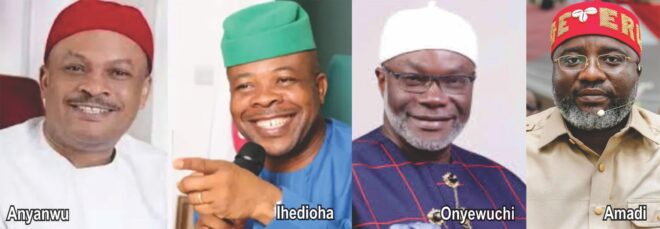
The power rotation arrangement in Imo State dates back to the 1990 when the state’s leaders agreed to share power equitably among the three senatorial zones. Since the return to democracy in 1999, Imo State leadership has been dominated by Orlu Zone , with notable governors including Achike Udenwa and Rochas Okorocha. Okigwe Zone had a brief stint with Ikedi Ohakim, while Owerri Zone has been largely marginalized, with only a 7-month tenure under Rt Hon Emeka Ihedioha. This imbalance has led to calls for a more inclusive and equitable distribution of power.
Several compelling reasons justify Owerri Zone claim to leadership in 2027. Firstly , Owerri zone demographic significance cannot be overstated. With a large and vibrant population, Owerri Zone is a driving force behind Imo State’s economic and social development. Owerri zone population is a significant contributor to the state’s workforce, and its leadership would help harness the energy and creativity of its citizens.
Secondly, Owerri Zone economic contributions are vital to the state’s prosperity, with key sectors such as agriculture, commerce, and industry thriving in the region. The zone is home to several major markets, including the famous Orji River market, which is a hub for trade and commerce in the state. Owerri Zone economic potential is vast, and its leadership would help unlock new opportunities for growth and development.
Thirdly, Owerri Zone has pressing developmental needs that require a leadership slot to drive progress. The zone infrastructure, healthcare, and education systems are in dire need of improvement, and a governor from Owerri Zone would be better positioned to address these challenges.
The benefits of Owerri Zone leadership include targeted development, inclusive governance, economic growth, and cultural preservation. A Governor from the zone would be better positioned to address the specific needs of the region, driving initiatives that promote economic opportunities, job creation, and poverty reduction. Owerri Zone leadership would also promote inclusive governance, ensuring that all zones have a voice in state decision-making. This would help reduce tensions and conflicts, promoting peace and stability in the state.
While the call for zoning is valid, Owerri Zone must demonstrate its ability to uphold the values of equity and fairness internally. Owerri zone inability to rally behind a single, competent candidate undermines its collective bargaining power and jeopardizes its credibility in the eyes of Ndi Imo . To achieve equity and fairness, Owerri Zone must prioritize unity and strategy, presenting a candidate appealing enough to Ndi Imo and capable of driving infrastructural, economic, and developmental progress for the entire state.
In conclusion, Owerri Zone deserves the next turn in the power rotation arrangement in Imo State. With its demographic significance, economic contributions, developmental needs, and cultural importance, Owerri Zone leadership aspirations are well-justified. As Imo State approaches the 2027 political dispensation, it is essential to recognize the importance of power rotation and zoning in promoting equity, fairness, and inclusive governance. The people of Owerri Zone are eager to take on the challenge of leadership and drive the state’s development, and it is time for them to be given the opportunity.
HON MASA CICO (08139408008 )